Importance of Regular Car Washing
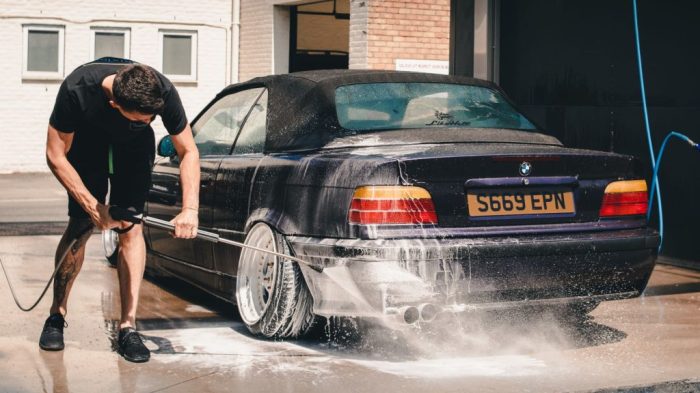
Keeping your car clean is not just about aesthetics; it’s essential for maintaining the vehicle’s value and performance. A clean exterior helps protect the paint from damage caused by dirt, grime, and pollutants. Regular washing can prevent rust and corrosion, ultimately extending the life of your vehicle.Moreover, the longevity of your car’s paint is directly affected by how often you wash it.
The buildup of dirt and contaminants can lead to oxidation, fading, and peeling over time. Regular washes remove these harmful elements, ensuring your car looks good and retains its value when it comes time to sell or trade it in. Not to mention, a clean car runs better; dirt and grime can affect aerodynamics and, in some cases, even engine performance.
Factors Influencing Washing Frequency
Several factors can influence how often you should wash your car. Understanding these can help you establish a washing routine that suits your lifestyle and environment.
- Environmental Factors: Weather conditions play a significant role in how frequently you need to wash your vehicle. Areas with heavy rainfall, snow, or road salt during winter months may require more frequent washes to prevent corrosion.
- Driving Habits: If you often drive on unpaved roads or in urban areas with heavy traffic, your car will accumulate dirt and pollutants faster, necessitating more regular washes.
- Type of Vehicle: The vehicle type can also impact washing needs. For instance, SUVs and trucks may require more frequent cleaning due to their larger surface area and use in rugged conditions compared to sedans.
Recommended Washing Frequency
Establishing a washing frequency can depend on various factors, including your driving habits and environmental conditions. Here are some general guidelines to follow:
- Frequent Drivers: If you drive daily, consider washing your car every 1-2 weeks.
- Occasional Drivers: For those who use their cars less frequently, a wash every 3-4 weeks is typically sufficient.
- Seasonal Recommendations: During winter months, washing at least once a month is advisable to remove road salt. In summer, a wash every 2-3 weeks is generally enough.
| Driving Conditions | Recommended Washing Frequency |
|---|---|
| City Driving | 1-2 weeks |
| Highway Driving | 2-4 weeks |
| Off-Road Driving | Every week |
Mobile Car Wash Services
Mobile car wash services offer unparalleled convenience, allowing you to have your car cleaned at a location of your choice, whether it’s at home or work. This eliminates the hassle of waiting in line at traditional car wash facilities. When comparing traditional car washes with mobile services, mobile options often focus on a more personalized experience, providing detailed cleaning tailored to your vehicle’s specific needs.
Scheduling a mobile car wash is simple; most services offer online booking where you can choose your preferred date and time, making it easy to fit into your busy schedule.
Best Practices for Car Washing
To effectively wash your car at home, follow these steps for a thorough clean:
- Gather your supplies: You’ll need a bucket, sponge, car wash soap, microfiber towels, and a hose with a spray nozzle.
- Rinse the car to remove loose dirt and debris.
- Use the sponge and soapy water to wash the car, starting from the top and working your way down.
- Rinse thoroughly to remove all soap residue.
- Dry the car with microfiber towels to prevent water spots.
Common mistakes to avoid while washing your vehicle include using dish soap (which can strip wax), washing in direct sunlight (which can cause streaks), and not rinsing thoroughly, leaving soap residue behind.
Additional Maintenance Tips
Maintaining your vehicle’s exterior between washes can help preserve its appearance and value. Here are some essential tips:
- Use a quick detailer spray to remove dust and light grime between washes.
- Apply wax every few months to protect the paint and enhance shine.
- Regularly clean the interior using appropriate cleaners to keep the cabin fresh and hygienic.
Environmental Considerations
Car washing can have a significant environmental impact, especially if not done responsibly. Traditional washing can waste a lot of water, while also polluting local water systems with soap and contaminants.Opting for eco-friendly washing products and methods can alleviate some of this impact. Many mobile services utilize water-efficient equipment and biodegradable cleansers, making them a more sustainable choice. Here’s a comparison chart of water usage:
| Washing Method | Average Water Usage |
|---|---|
| At-Home Wash | 50-100 gallons |
| Professional Car Wash | 10-30 gallons |